




What Makes Land a Good Investment?
Different investors may define a good land investment differently.
Some buyers prioritize current income. Others may be interested in long-term ownership, agricultural expansion, recreational use, development potential, diversification, or a combination of these objectives.
Factors investors may consider include:
- Purchase price
- Annual income
- Operating expenses
- Property taxes
- Lease terms
- Tenant or operator arrangements
- Soil productivity
- Tillable acres
- Improvements
- Location
- Access
- Water and drainage
- Conservation programs
- Recreational opportunities
- Development potential
- Future capital requirements
- Market demand
- Comparable land sales
There is no single type of land investment that is appropriate for every buyer. Each property should be evaluated based on the buyer’s objectives, financial situation, risk tolerance, and intended holding period.
How Does Iowa Investment Land Generate Income?
Iowa land may generate income through several different sources depending on the property.
Farm Rent
Agricultural land may be leased to a farmer through a cash-rent, crop-share, flexible lease, or other arrangement.
CRP and Conservation Income
Eligible properties may receive payments through the Conservation Reserve Program or other conservation programs. Buyers should review contract terms, payment schedules, expiration dates, and ownership obligations.
Pasture and Grazing Income
Pasture may be rented to livestock producers for seasonal or longer-term grazing.
Hunting and Recreational Leases
Properties with strong wildlife habitat may have potential for hunting or recreational leases.
Grain Storage and Agricultural Improvements
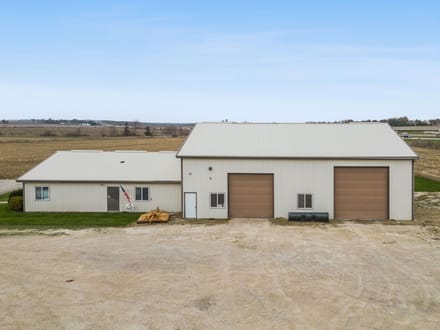
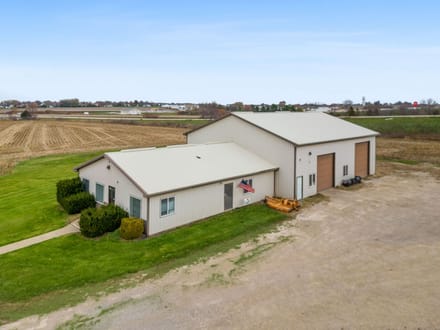
Grain bins, livestock facilities, machine sheds, and other agricultural improvements may contribute additional utility or income depending on the property.
Commercial Income
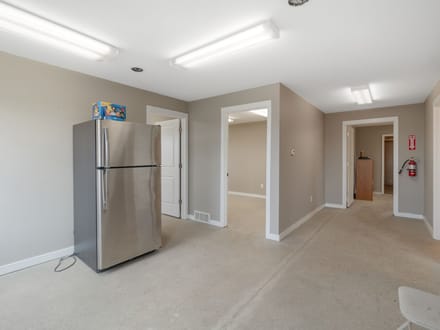
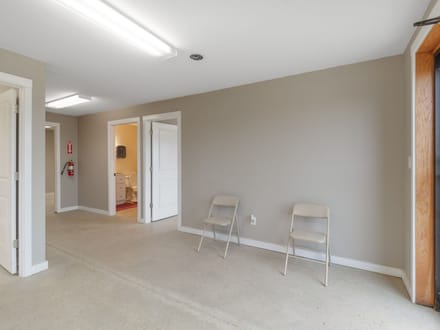
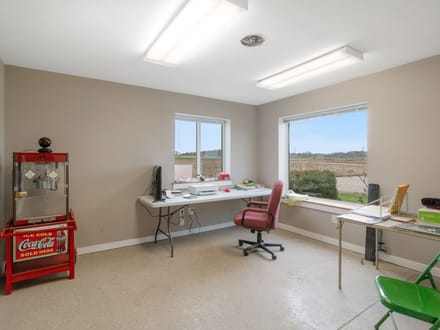
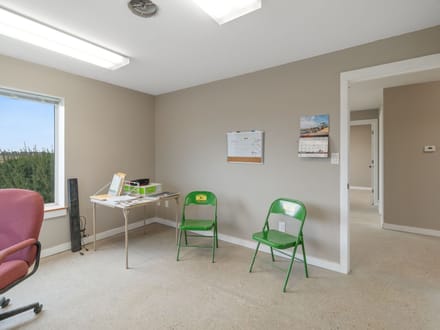
Some investment properties may include office, retail, industrial, storage, hospitality, or other commercial improvements that generate rental or business income.
Wind, Solar and Utility Agreements
Certain Iowa properties may have wind turbines, solar agreements, transmission lines, pipelines, or other utility agreements that provide additional payments to the landowner.
Every income source should be reviewed individually. Buyers should verify contracts, leases, payment history, expenses, and transferability during due diligence.
Calculating Return on Iowa Investment Land
Investors often compare a property’s annual net income with its purchase price when evaluating potential returns.
However, gross income alone does not tell the entire story.
Property taxes, management expenses, repairs, insurance, improvements, vacancies, conservation obligations, and other costs may reduce the amount of income an owner actually receives.
Investors should calculate potential returns using realistic income and expense assumptions and should consider consulting their financial, tax, legal, or investment advisors when appropriate.
Iowa Investment Farmland
Productive farmland may appeal to investors seeking agricultural income without personally operating the farm.
An absentee landowner may lease the property to a local producer or work with a professional farm manager.
Important considerations can include:
- CSR2 and soil productivity
- Tillable acres
- Drainage and tile
- Local cash-rent rates
- Current farm lease
- Tenant history
- Property taxes
- Conservation requirements
- Improvements
- Location and access
The strongest investment opportunity is not necessarily the farm with the highest CSR2 or highest rent. Purchase price, income, expenses, location, and long-term ownership objectives should all be considered together.
Recreational Land as an Investment
Recreational land may offer a combination of personal use and potential income.
Properties with tillable acres, CRP, pasture, timber, hunting habitat, ponds, or other characteristics may generate agricultural or recreational income while also providing opportunities for hunting, fishing, or outdoor recreation.
Buyers should carefully distinguish between verified existing income and potential future income when evaluating recreational investment property.
Iowa Development Land as an Investment
Some investors purchase land based partly on potential future development.
Farmland or vacant land located near growing communities, highways, utilities, schools, employment centers, or existing development may attract interest from developers.
However, potential development should not be treated as guaranteed.
Buyers should investigate zoning, future land-use plans, utilities, annexation, access, infrastructure requirements, easements, drainage, and other development considerations before purchasing property based on future development expectations.
1031 Exchanges and Iowa Investment Land
Real estate investors may consider Iowa land when identifying replacement property for a Section 1031 like-kind exchange.
A 1031 exchange can involve specific federal tax rules and strict deadlines.
Whitaker Marketing Group can help buyers identify available land and coordinate the real estate portion of a transaction, but buyers and sellers should work with qualified tax, legal, and exchange professionals regarding eligibility, timing, structure, and tax consequences.
Selling Iowa Investment Property
Marketing investment land requires communicating the property’s physical characteristics along with verified financial information that may matter to potential buyers.
Depending on the property, useful information may include:
- Current leases
- Rental income
- CRP contracts
- Utility agreements
- Property taxes
- Tillable acres
- CSR2
- Improvements
- Grain storage
- Livestock facilities
- Recreational characteristics
- Development potential
Whitaker Marketing Group combines professional property presentation with digital and traditional marketing to expose investment properties to farmers, investors, neighboring landowners, recreational buyers, developers, and other potential purchasers.
Frequently Asked Questions About Iowa Investment Land
Where can I find Iowa investment land for sale?
Whitaker Marketing Group features available Iowa investment land for sale on this page. Properties may include farmland, income-producing agricultural land, recreational property, development land, commercial real estate, and other investment opportunities.
Is Iowa farmland a good investment?
Farmland can provide agricultural income and long-term land ownership, but whether a particular farm is appropriate depends on the buyer’s objectives, purchase price, expected income, expenses, property characteristics, and risk tolerance.
Buyers should evaluate each property individually rather than assuming all farmland will produce the same financial results.
How does Iowa farmland generate income?
Farmland commonly generates income through cash rent, crop-share agreements, or other agricultural leases.
Some farms may also receive conservation payments, pasture rent, hunting lease income, grain-storage income, or payments from utility agreements.
What should I look for when buying investment farmland?
Investors should consider purchase price, expected income, property taxes, lease terms, CSR2, soil productivity, tillable acres, drainage, location, improvements, tenant arrangements, and recent comparable sales.
Can I own Iowa farmland without farming it myself?
Yes. Many landowners lease agricultural