
Artificial Intelligence (AI) is revolutionizing agriculture by introducing advanced technologies that enhance efficiency, productivity, and sustainability. From precision farming to autonomous machinery, AI applications are reshaping how farming is conducted.
Precision Agriculture
AI-powered precision agriculture helps farmers monitor and manage their crops more efficiently. AI systems use drones, satellites, and sensors to collect real-time data on crop health, soil conditions, and growth patterns. Machine learning algorithms analyze these data points to identify potential issues, such as pest infestations or nutrient deficiencies, allowing farmers to make timely interventions. By using this approach, farmers can optimize the use of water, fertilizers, and pesticides, reducing waste and environmental impact while boosting yields.
Autonomous Machinery
One of the most exciting advancements in AI is the development of autonomous farming equipment. As highlighted by The Verge, John Deere has introduced fully autonomous tractors that can perform tasks like planting, weeding, and harvesting without human intervention. These machines use AI to navigate fields, adapt to changing conditions, and make decisions in real-time, allowing farmers to manage their operations more efficiently. This technology not only addresses labor shortages but also ensures consistent and accurate execution of farming tasks.
Disease Detection
AI is transforming how farmers detect and respond to crop diseases. By leveraging machine learning and image analysis, AI models can identify crop diseases and recommend appropriate treatments. Farmers can upload images of crops for analysis and receive instant feedback, enabling proactive interventions that prevent the spread of diseases and reduce losses. This technology empowers farmers to maintain healthier crops while saving time and resources.
Challenges to AI Adoption in Agriculture
While AI has enormous potential to revolutionize farming, its adoption comes with challenges. AgriTech Tomorrow notes that high costs, the need for technical expertise, and concerns about data privacy are significant barriers. Many small-scale farmers find these technologies inaccessible due to financial constraints. Addressing these challenges will require collaborative efforts from policymakers, technology providers, and the agricultural community to ensure that AI solutions are affordable and widely available.
At Whitaker Marketing Group, we are committed to staying ahead of trends and helping farmers navigate these technological advancements. Contact us today if you have any questions.
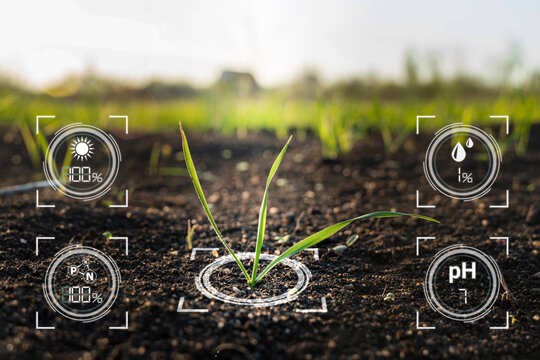
AI is reshaping modern farming—from precision ag and autonomous equipment to rapid crop disease detection—helping landowners boost efficiency and sustainability.
