
How Easements Impact Farmland Use and Property Sales
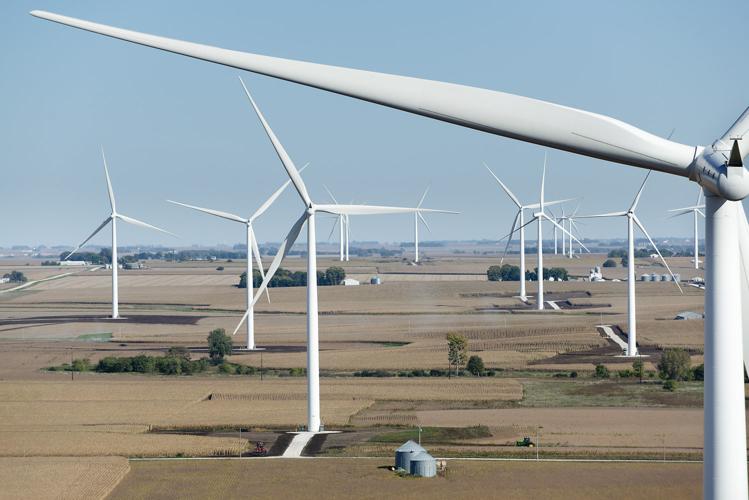
When evaluating your rural property, understanding the exact legal rights attached to your land is critical. One of the most common factors that can alter both the daily operations and the overall value of your property is an easement. Simply put, an easement grants another person or entity the legal right to use a specific […]
What Makes Your Farm Attractive to Large Operators?
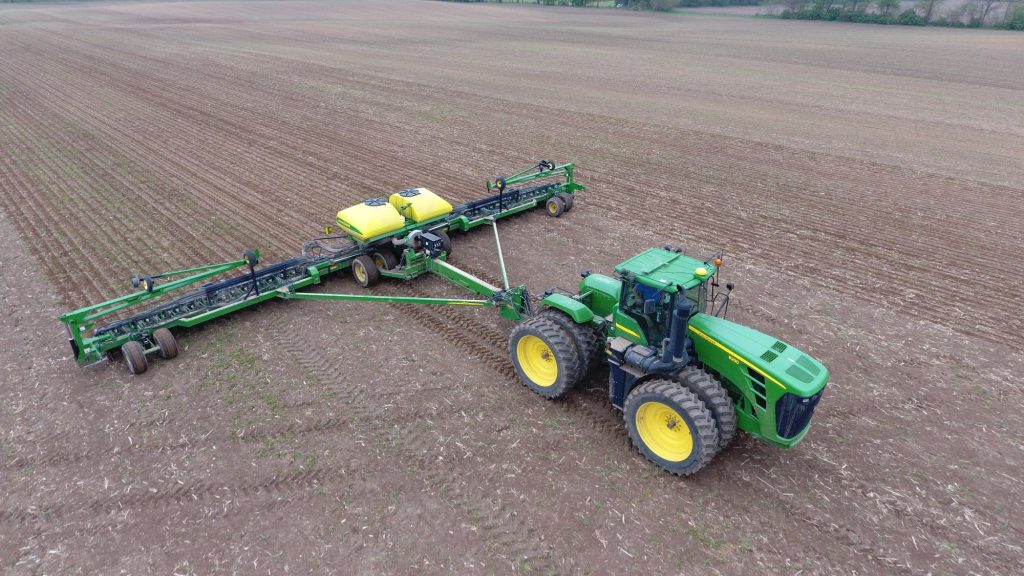
Making your farm attractive to large operators starts with understanding what serious farmland buyers value most. Large operators often look for productive soils, efficient field layouts, strong access, reliable drainage, accurate records, and expansion potential near their existing operation. For Midwestern landowners, highlighting these features can help position farmland for stronger buyer interest and a […]
Why Iowa Soil Is Some of the Most Productive in the World
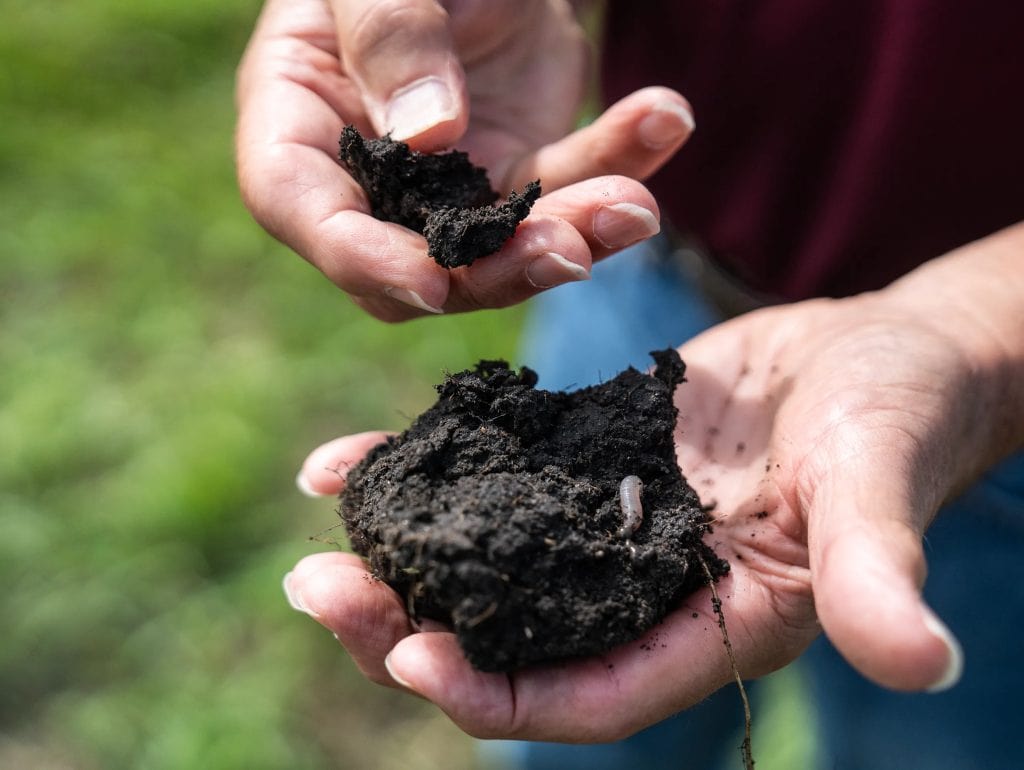
Iowa is globally recognized as an agricultural powerhouse. For generations, farmers and landowners have relied on this fertile ground to produce record-breaking yields. Understanding the foundation of this productivity is essential for Midwestern landowners wanting to maximize their land’s value. This article explores the unique geological history, the exact science, and the massive economic impact […]
6 Overlooked Checks When Buying Acreage Properties
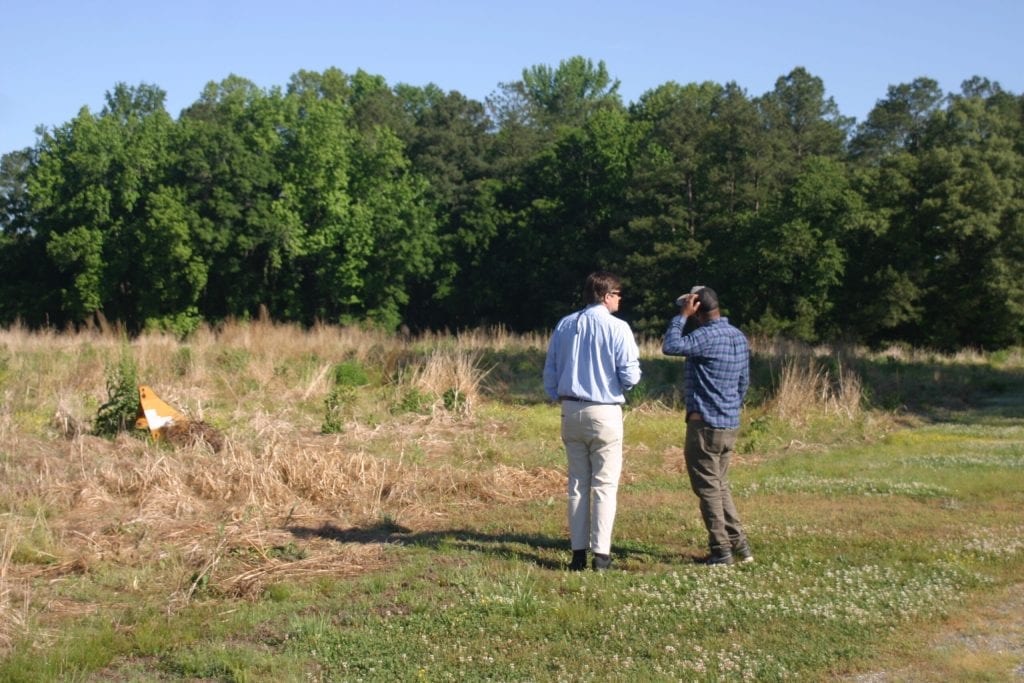
Purchasing rural acreage is an exciting venture, but it requires a completely different level of diligence than a standard residential transaction. While residential buyers typically focus on roof age or kitchen updates, acreage buyers must look much deeper into the land itself. Failing to inspect the unique elements of rural property can lead to unexpected […]
Why Buyers Want More Than Just a House
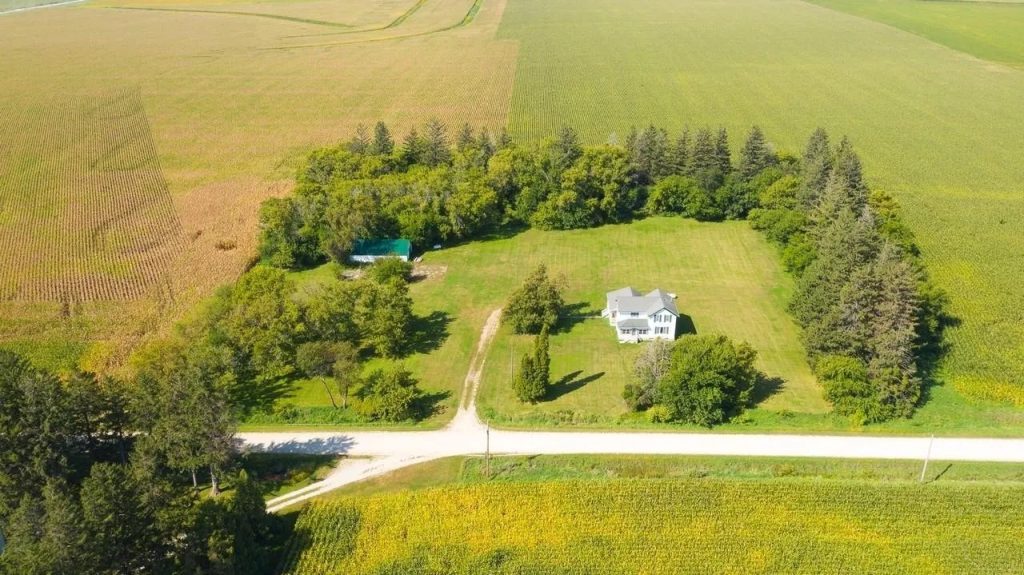
The American dream of homeownership is undergoing a significant transformation. Instead of seeking properties within crowded city limits, a growing number of buyers are turning their attention to rural landscapes. They want more than just a house; they want land. For Midwestern landowners, this shift in buyer priorities presents a unique opportunity to maximize property […]
Should I Sell My Land Before Retirement?
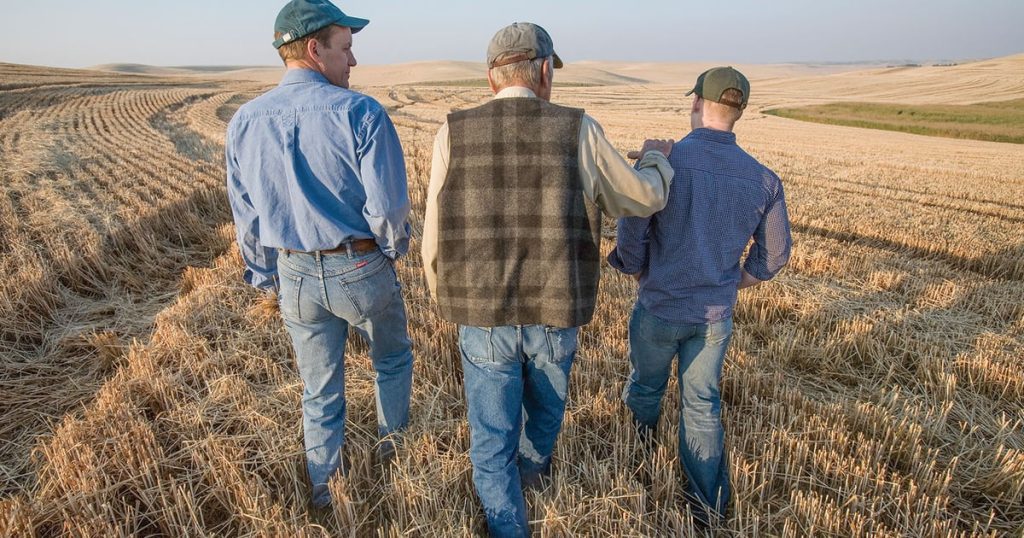
Transitioning away from active farming or managing rural property often brings up important questions about the future. For many Midwestern landowners, approaching this milestone sparks a critical debate about timing. Specifically, you may wonder if it is better to liquidate your real estate assets now or wait until you actually retire. Timing a property sale […]
What Happens If No One in the Family Wants the Farm?
For many Midwestern landowners, passing farmland down to the next generation represents more than a financial transfer. It symbolizes decades of hard work, sacrifice, and family tradition. However, modern family dynamics are changing. Children and grandchildren often pursue careers outside of agriculture, live out of state, or simply do not want the responsibility of managing […]
Ready to Sell Your Farmland? Key Signs and Next Steps
Owning rural property connects you to a deep Midwestern legacy. Many families hold ground for generations, building a strong attachment to the soil. Eventually, a moment often arrives when holding onto the property no longer aligns with your immediate goals or lifestyle. Parting with agricultural land involves complex emotional and practical considerations. You might be […]
How Commodity Prices Drive Iowa Farmland Demand
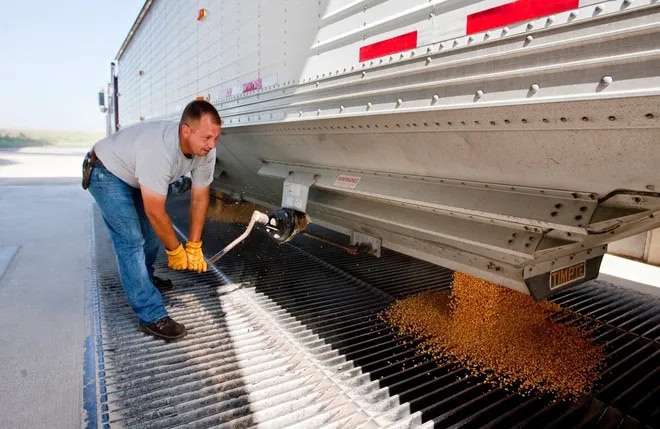
Midwestern agriculture operates on a delicate balance of weather, global markets, and local demand. For Iowa landowners, one of the most significant factors driving the value of their property sits right on the Chicago Board of Trade: commodity prices. Corn and soybean markets dictate the financial health of the region. When these markets shift, the […]
Why Iowa Farms Stay in the Family for Generations
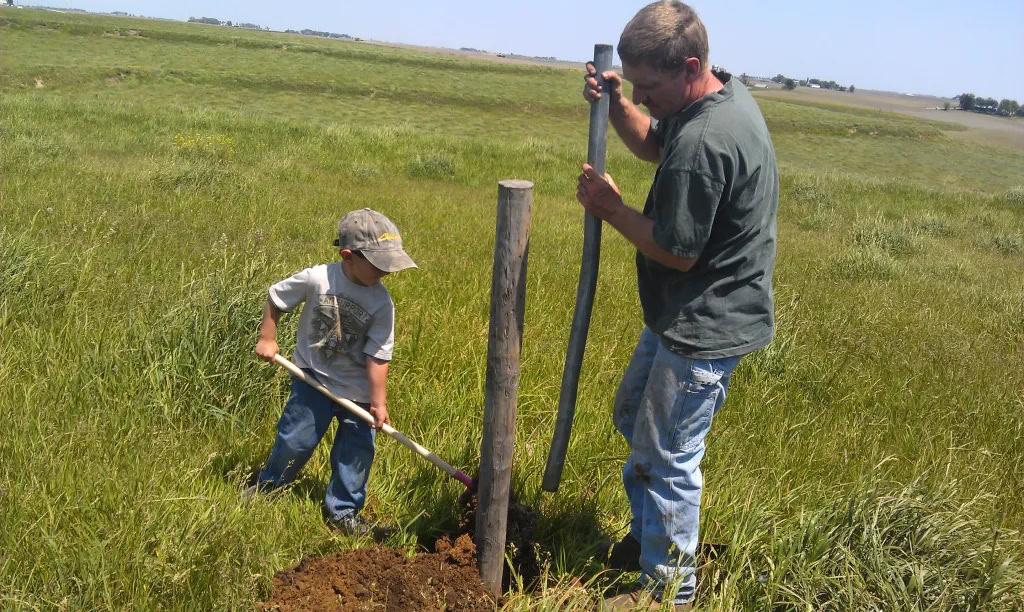
Drive across the Midwest, and you will see millions of acres of productive agricultural land. Behind those vast fields of corn and soybeans are stories of dedication, hard work, and deep family ties. In Iowa, a significant percentage of farmland remains in the hands of the same families for decades, sometimes even over a century. […]
