
Can I Set a Reserve Price for My Farmland Auction?
Whether you are planning for retirement, settling an estate, or reallocating capital, your primary goal is to maximize your land’s value. However, the fear of your property selling for less than it is worth can make the auction process feel stressful. This brings up a critical question for many landowners: Can you set a reserve […]
How Long Does the Farmland Auction Process Take?
Selling your farmland or rural property is a major financial decision, especially if you are planning for retirement or settling an estate. Naturally, one of the most common questions landowners ask is about timing. You want a smooth, stress-free transaction that maximizes your land’s value without dragging on for months. So, exactly how long does […]
Iowa Land Auction Results: April 18–24, 2026 Market Update
The Iowa land auction results April 18–24, 2026 show a steady farmland market with continued demand for quality tillable acres. Buyer activity remained measured across multiple counties, with consistent interest in farms offering strong CSR2 ratings and good farmability. The overall trend continues to reinforce that well-positioned farmland remains a highly sought-after asset. These results […]
What Makes an Auction Company Successful?

Selling a farm, recreational ground, or rural property is a major financial decision. For many Midwestern landowners, it represents the culmination of decades of hard work, or the careful handling of a family legacy. When it comes time to transition that asset, you need to ensure you get the best possible return. This brings up […]
Which Properties Sell Best at Auction?
For many Midwestern landowners, the traditional listing process can feel slow, unpredictable, and stressful. Property auctions offer an accelerated, transparent alternative that often yields exceptional results. But what makes some tracts of land excel on the auction block? Understanding which assets perform best in a competitive bidding environment can help you maximize your property’s value […]
Do Auctions Really Bring Higher Prices for Farmland?
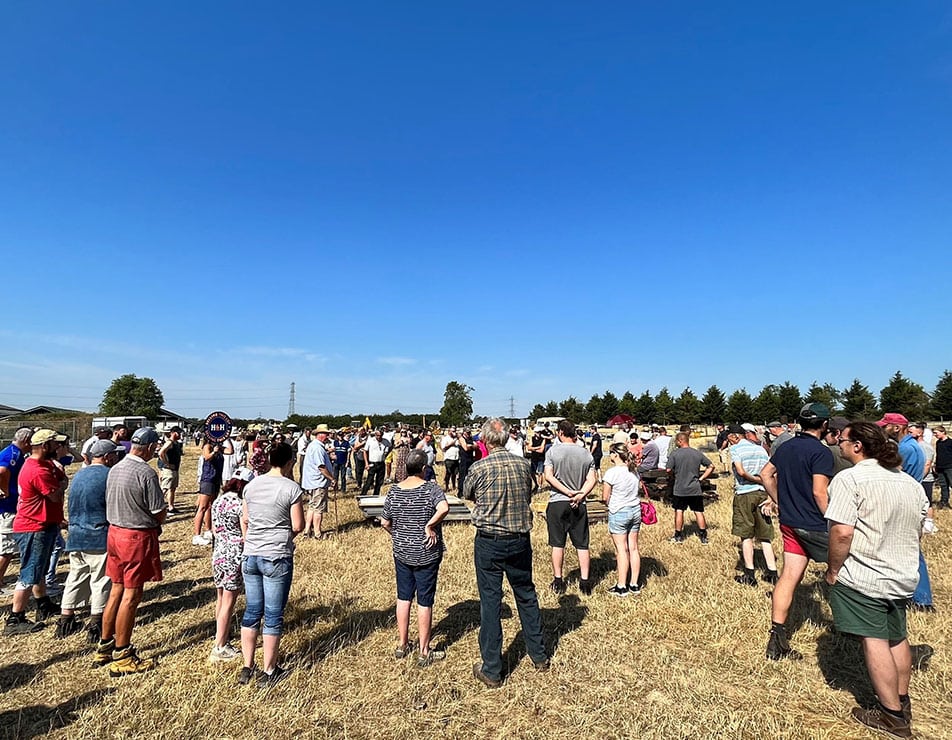
Selling your Midwestern farmland or rural property is a major financial milestone. Whether you are planning for retirement, settling an estate, or reallocating capital, your primary goal is to maximize your land’s value. Many landowners wonder if an auction is the best route to achieve this. Auctions certainly have a strong reputation for achieving premium […]
Auction or Traditional Listing: Which Fits Your Farm?
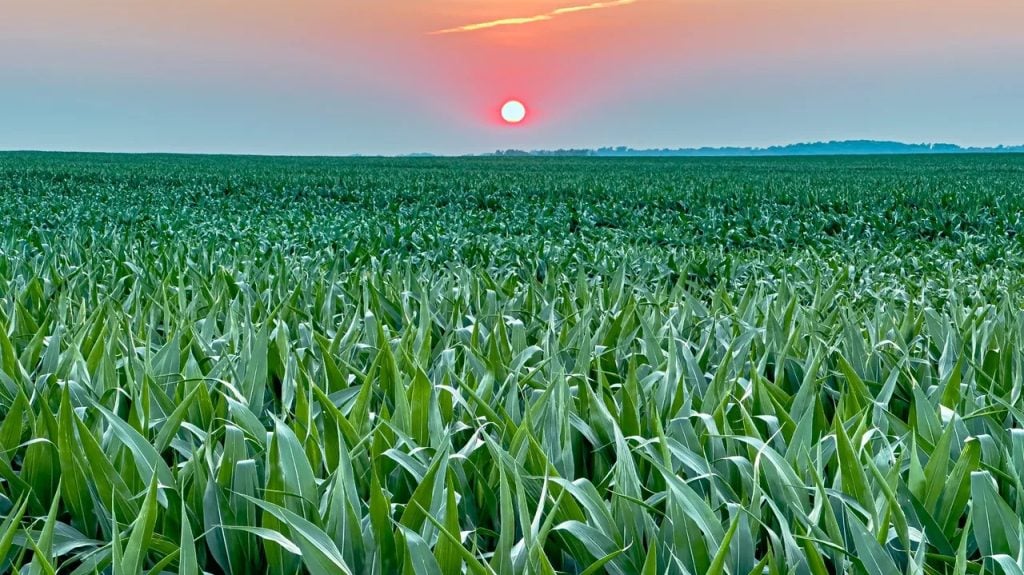
Making the decision to sell your farmland, recreational ground, or rural property is a significant milestone. Whether you are planning for retirement, settling an estate, or reallocating capital, your primary goal is likely the same: to maximize your land’s value while ensuring a smooth, stress-free transaction. One of the most critical choices you will face […]
The Pros and Cons of Selling Land at Auction

Deciding to sell a family farm, recreational ground, or rural property is a major milestone. Whether you are navigating estate settlement, entering retirement, or reallocating your capital, you want to ensure a smooth transaction that maximizes your land’s value. Choosing the right sales method is a critical first step. Land is a completely different asset […]
What is a Comparative Market Analysis (CMA)?

When it comes time to sell a family farm or rural property, the stakes are high. Whether driven by retirement, estate planning, or reallocating capital, the key question remains the same: What is my land worth? Setting the right price is essential to maximizing value and ensuring a successful sale. This is where a comparative […]
What Experience Should a Farmland Auctioneer Have?

Selling your farmland or rural property is a significant financial milestone. Whether you are planning for retirement, settling an estate, or reallocating capital, finding the right professional to guide the sale is critical to your success. An auctioneer is responsible for much more than talking fast on sale day. They are the driving force behind […]
