
Stepped-Up Basis for Inherited Farmland: What It Is and How to Use It
If you inherit a farm (or any appreciated asset), one tax rule can save you a pile of money: the stepped-up basis. In short, your cost basis is “reset” to fair market value on the date of death—so decades of appreciation can vanish from the capital-gains equation. See the IRS rules in Publication 551 and […]
Why Iowa Farmland Should Be Your Next Investment: A Complete Guide to Returns, Tax Benefits, and Evaluation

Are you looking for a stable investment with reliable returns and significant tax advantages? Iowa farmland offers a compelling investment case that combines steady cash flow, appreciation potential, and unique tax benefits. Let’s explore why agricultural land deserves a place in your investment portfolio. The “Dividend Stock” Approach to Farmland Investing Think of Iowa farmland […]
Choosing the Appropriate Business Entity for Your Farmland Ownership
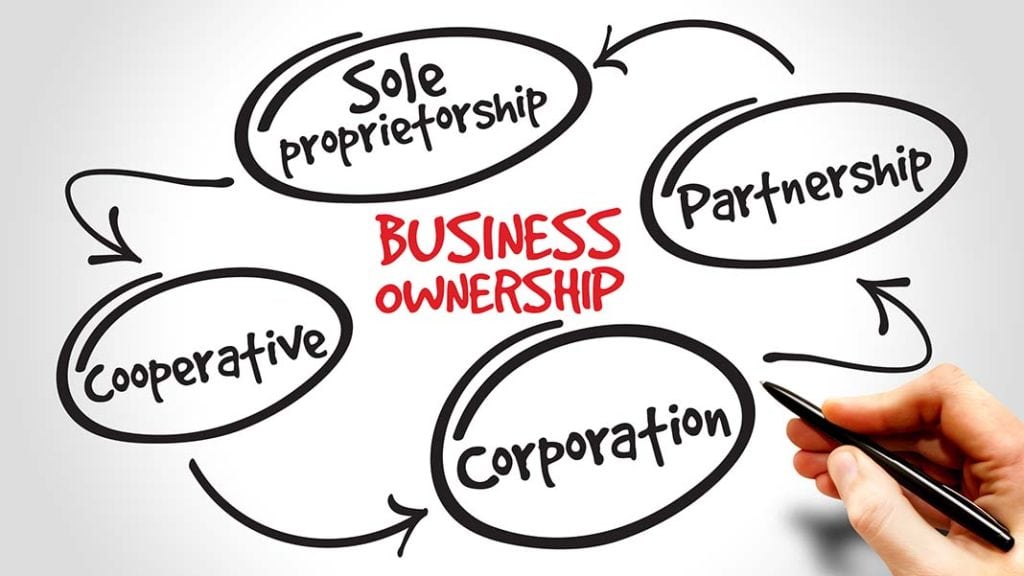
Choosing the Appropriate Business Entity for Your Farmland Ownership Owning and managing farmland presents a unique set of challenges—and one of the most crucial decisions you’ll make is choosing the right business structure. The entity you select directly shapes your liability, tax obligations, and succession plan for future generations. Whether you’re operating solo or managing […]
Managing Farm Finances: Key Strategies for Agricultural Success

Managing farm finances is a crucial aspect of running a successful agricultural operation. With the inherent unpredictability of farming due to factors like weather, market fluctuations, and crop yields, having a solid financial management plan is essential for ensuring both short-term viability and long-term growth. In this blog, we’ll explore key strategies that farmers can […]
What is a tax basis?
Top 50 Questions about Farmland Tax basis is the starting value used to determine the gain or loss when you sell an asset, such as farmland. It plays a critical role in calculating taxes and can significantly impact your tax liability. How Tax Basis is Determined Initial Basis: If you purchased the farm, your basis […]
What do I have to pay for taxes?
Top 50 Questions about Farmland When you sell farmland, you’ll navigate three primary types of taxes. Understanding how each tax works helps you plan ahead, meet your obligations, and protect the value of your sale. 1. Property Taxes Timing: In Iowa, property taxes run a year in arrears, so you pay this year for last […]
What are the time limits for 1031 tax exchange?
Top 50 Questions about Farmland A 1031 tax-deferred exchange lets you reinvest the proceeds from a property sale into another like-kind property while deferring capital gains taxes. To make the most of this strategy, you must follow the IRS timelines closely. When you understand these deadlines, you can plan ahead and keep your exchange on […]
What is a 1031 tax exchange?
Top 50 Questions about Farmland A 1031 Tax-Deferred Exchange, named after IRS Code 1031, allows you to defer capital gains taxes when you sell a property and reinvest the proceeds into a “like-kind” property. This strategy is widely used for farmland sales to maximize reinvestment and minimize tax burdens. How Does a 1031 Exchange Work? […]
What is a Transfer Tax?
Top 50 Questions about Farmland The Iowa farmland transfer tax is one of the closing costs sellers often ask about when preparing to sell land in Iowa. This tax, sometimes called revenue stamps, is charged by the state whenever farmland or any type of real estate is transferred. Understanding how it works helps you better […]
Utilizing a Conservation Easement to Save Money on Taxes
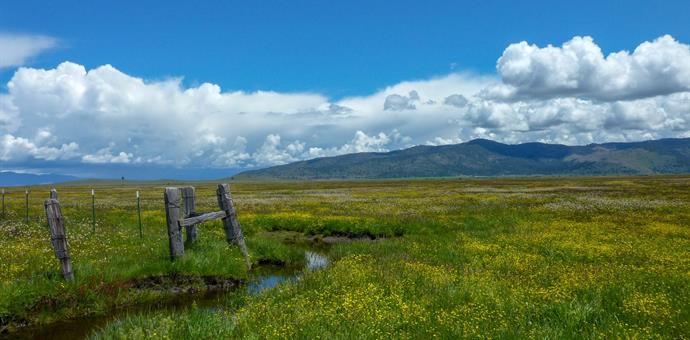
Understanding Conservation Easements and Their Tax Benefits Conservation easements allow landowners to protect natural resources while limiting future development. Through a legal agreement, landowners permanently restrict certain development rights. In return, they may receive meaningful tax benefits. For many property owners, these incentives make conservation easements an attractive option. What Is a Conservation Easement? A […]
